Flu, COVID-19, cold or allergy? Make a difference!

In the winter, during a COVID-19 pandemic, when seasonal colds and flu are common, many people wonder what are the key symptoms that can distinguish these diseases.

COVID-19, influenza and colds share a number of features and a wide range of similar or identical symptoms that make it difficult to differentiate in the early stages of the disease.

For proper treatment of any respiratory disease, it is always very important to know the true cause of the disease, which allows a timely response directed to the appropriate pathogen.

There are many different symptoms that occur in people with COVID-19. Many of them appear the same or similar in colds and seasonal flu, and less often in allergies. The most common symptoms characteristic of SARS-CoV-2 virus and influenza A and B viruses (Influenza A / Influenza B) are: fever, cough, shortness of breath, sore throat, stuffy nose, muscle aches, headaches, and in some people, diarrhea and vomiting.

The main difference in symptoms is the loss of taste and smell, reported in a certain percentage of people infected with SARS-CoV-2. Of course, there is a difference in the incubation period of the viruses, the time when the symptoms of the risky contact appear, their intensity and duration.

However, due to the similarity between the symptoms of these infections, it is very difficult to distinguish, so the most accurate diagnostic tool is laboratory tests, in consultation with a doctor.

In addition, you can find the table with the most common symptoms that occur with COVID-19, flu, colds and allergies.

SymptomsCOVID-19FluColdAllergy
FeverUsuallyUsuallySometimesNever
Muscle achesUsuallyUsuallySometimesNever
TirednessUsuallyUsuallySometimesSometimes
CoughUsually (dry)UsuallyUsuallySometimes
Runny or staffy noseUsuallyUsuallyUsuallyUsually
Sore throatUsuallyUsuallyUsuallyRarely
Itchy nose, eyes, mouth or inner earNeverNeverSometimesUsually
Shortness of breath or difficulty breathingUsuallyUsuallySometimesSometimes
HeadacheUsuallySometimesSometimesRarely
New loss of taste or smellUsually (early – often without a runny or staffy nose)Sometimes Sometimes (especially with a stuffy nose)Sometimes
Nausea and vomitingSometimesSometimes (more common in children)NeverNever
DiarrheaSometimesSometimes (more common in children)NeverNever

*https://www.cdc.gov/flu/symptoms/flu-vs-covid19.htm

*https://www.mayoclinic.org/diseases-conditions/coronavirus/in-depth/covid-19-cold-flu-and-allergies-differences/art-20503981

*https://www.who.int/emergencies/diseases/novel-coronavirus-2019/question-and-answers-hub/q-a-detail/coronavirus-disease-covid-19-similarities-and-differences-with-influenza

New high-specific molecular multiplex Real-Time PCR test is available at Avicena Laboratory for simultaneous detection, identification and differentiation between the new coronavirus SARS-CoV-2 (COVID-19) and seasonal influenza.

Detection of the cause of the respiratory infection from only one sample (throat and nose swab):

– SARS-CoV-2 (COVID-19)

– Influenza A and B virus 

– Respiratory syncytial virus (RSV)

Samples for this are being taken only in Avicena Laboratory in Taftalidze every working day and Saturday, from 7 a.m. to 7 p.m. and in the laboratory in Tetovo from 8 a.m. to 2 p.m from Monday to Friday and 8 a.m. to 1 p.m on Saturday. Please schedule an appointment on: ?071/278-529, ?078/218-731, ?071/269-623 и?072/319-850.

Avicena Laboratory has a wide range of microbiological and molecular tests for respiratory infections.

You can see the full menu of tests for COVID-19 at the following link.

Vitamin D is important for bone health, but also for overall health!

Usually, the role of vitamin D is associated with bone health and bone metabolism. However, the role of Vitamin D is much broader, because it participates in many complex processes in the human body.

WHY VITAMIN D IS IMPORTANT? 

FOR HEALTHY AND STRONG BONES

One of the most important roles of vitamin D is to maintain the serum concentration of calcium and phosphorus, through their proper absorption / utilization. This ensures normal bone mineralization, and bone growth and development. Vitamin D deficiency alters the metabolism of these minerals, causing low bone mineral density and increasing the risk of bone loss or fractures.

TO MAINTAIN MUSCLE STRENGTH

Muscle weakness can be another side effect of low vitamin D levels, especially in the elderly. Vitamin D significantly improves muscle performance and accelerates the healing process in various muscle injuries.

IMPROVES BRAIN FUNCTION

Vitamin D deficiency can increase the risk of developing dementia, and affects the secretion and amount of the hormone serotonin (happiness hormone), associated with mood in humans.

IMPROVES HEART HEALTH

Vitamin D improves heart function, and its deficiency is associated with the occurrence of certain heart diseases.

FOR NORMAL FUNCTION OF THE IMMUNOLOGICAL SYSTEM

Vitamin D receptors are present in most cells in our body, including the cells of the natural immune system, and enable them to function normally.

AUTOIMMUNE DISEASES

Numerous world studies confirm the link between vitamin D deficiency and various autoimmune diseases such as multiple sclerosis, asthma, Crohn’s disease and ulcerative colitis.

SOURCES OF VITAMIN D

The way the body gets the required amount of this vitamin is through exposure to sunlight, through food and with additional intake (supplements) of Vitamin D.

The sun is the main source of vitamin D!

Recent research shows that about 1 billion people or 15% of the world’s population suffer from vitamin D deficiency. Insufficient sun exposure (UV light) is considered to be the main reason for this condition.

When ultraviolet (UV) light from the sun penetrates human skin, it causes a chemical reaction that generates vitamin D. In summer we only need about 10 minutes of sun exposure to meet our daily needs. In winter, the exposure period is longer, about 2 hours.

People with darker skin will also generate vitamin D from sun exposure, but not as effectively, because darker skin contains more UV-blocking melanin. This is the main reason why vitamin D deficiency may be more common in people with darker skin. People also lose some of their ability to produce vitamin D from the sun as they age, putting older people in a higher risk of developing Vitamin D deficiency.

FOOD RICH IN VITAMIN D

– Fish oil and fatty fish (salmon, tuna, sardines, herring, mackerel, trout, etc. fatty fish)

– Milk and dairy products (butter, sour cream, cheese, cheese, yogurt, etc.)

– Egg yolk

– Liver

– Mushrooms (shiitake, mushrooms, fox)

Aware of the role of vitamin D in our body and its importance in many processes, regular monitoring of vitamin D levels is of particular importance.

Avicena Laboratory performs the most modern tests of the manufacturer Siemens Healthineers, according to a certified procedure according to the standardization program of Vit.D testing of CDC (Center for Disease Control, USA), for fast and accurate determination of the level of vitamin D.

The examination of vitamin D together with the analysis of ionized calcium (Ca ++) and parathyroid hormone (PTH) gives a clear insight into the occurrence in the body and the metabolism of vitamin D.

Coagulation Disorders in COVID-19 patients

Blood clotting (coagulation)

Blood clotting, or coagulation, is an important process that prevents excessive bleeding when a blood vessel is injured. Platelets (a type of blood cell) and proteins in your plasma (the liquid part of blood) work together to stop the bleeding by forming a clot over the injury. Typically, your body will naturally dissolve the blood clot after the injury has healed.

In pathological conditions, excessive accumulation of platelets and fibrin on the inside of the blood vessel may occur. This leads to a disturbance in the blood circulation until it stops due to clogging of the blood vessel with a thrombus. This condition is called thrombosis. These clots can occur anywhere – from the smallest to the largest blood vessels and cause varying degrees of damage and even death.

There is a system in the human body opposite to the coagulation, it is an anticoagulation mechanism. A constant balance is maintained between the coagulation and anticoagulation systems in the body. Thus, the organism is protected from two extreme dangers from the disturbed blood circulation – bleeding and thrombosis.

Risk factors

There are certain conditions that increase the risk of thrombosis, such as: changes in the walls of blood vessels, cardiovascular disease, rheumatic diseases, inflammation, malignancies, trauma, childbirth, taking certain medications, genetic factors and other conditions.

Treatment

Depending on the clinical findings and the severity of the disease, treatment is performed at home or in hospital, only after examination and recommendation by a specialist

COVID-19 and the coagulation system

Although it is not uncommon for infections to increase the risk of clots, COVID-19 is associated with a very wide range of blood clotting disorders in diseased patients. Patients with COVID-19 experience severe and sometimes fatal blood clotting abnormalities.

Studies show that about 25% – or even up to 70% – of critically ill patients have confirmed venous thromboembolism or pulmonary embolism.

Therefore, it is crucial during the routine laboratory assessment to measure the parameters of the blood coagulation system, such as: blood count (platelet count), D-dimer, PT-Prothrombin time, aPTT- Activated partial thromboplastin time and more.

D-dimers

D-dimer (or D dimer) is a fibrin degradation product (or FDP), a small protein fragment present in the blood after a blood clot is degraded by fibrinolysis. It is so named because it contains two D fragments of the fibrin protein joined by a cross-link. Detection of elevated levels are a sign that the coagulation system is activated.

Normal levels of D-dimers in healthy adults are 0.5 mg / L.

Elevated levels of D-dimers in patients with COVID-19 are usually a sign that there is a risk of blood clots forming, which can spread with the circulation and cause a blood vessel to clog. Therefore, after an examination by a specialist doctor, appropriate therapy should be given and this condition should be treated.

It is very important to note that different laboratories may use different instruments, technologies, reference values and tests to determine D-dimers and therefore the results of different laboratories should not be compared.

7 facts you need to know about lactose intolerance

IT IS ALL IN THE ENZYMES

Your body produces an enzyme called lactase. When you drink a glass of milk, lactase helps break down lactose into simpler sugars that are absorbed into your bloodstream. Lactose intolerance occurs when you are lactase deficient.

YOU SHOULD CONSULT YOUR DOCTOR

Some stomach ailments have symptoms similar to those of lactose intolerance. Your doctor can help you determine the cause of your symptoms and what tests to do.

NOT EVERYONE HAS SYMPTOMS

Lactose can produce a wide range of gastrointestinal symptoms. These symptoms include bloating, nausea, gas, abdominal pain and diarrhea. However, you may be lactase deficient and have no signs.

IT USUALLY APPEARS AT A LATER AGE

Very few babies are born lactose intolerant and must drink lactose-free formula instead of breast milk. However, most people who are lactose intolerant lose the ability to digest milk sometime after birth. This usually happens between the ages of 2 and 12, although you may not experience symptoms until late adolescence or later in life.

YOU ARE NOT ALONE

As many as 65% of people worldwide and 30 million Americans have some degree of lactose intolerance. It is more common in people of Asian, African or Spanish descent. People in northern or western Europe are less likely to be lactose intolerant.

LACTOSE INTOLERANCE IS NOT A MILK ALLERGY

Milk allergy is less common but more harmful than lactose intolerance. If you are allergic to milk, your body fights dairy products as if it were a harmful attacker. Symptoms are usually more severe and may include shortness of breath, itchy eyes, and a rash. People with this allergy must completely avoid dairy products.

NOT ALL DAIRY PRODUCTS ARE RESTRICTED

Many dairy products that do not contain lactose are currently available on our market. Dairy products that have lower lactose levels and can be digested in the body even easier is hard or aged chees (parmesan or cheddar) and yogurt.

DIAGNOSIS

The PHI Avicena Laboratory performs the state-of-the-art genetic testing of lactose intolerance by the method of PCR-reverse hybridization.

The test identifies two polymorphisms located on intron 9 (S / T13910) and 13 (G / A 22018) of the MCM6 gene, which are associated with lactase activity persistence in adults and children over 5 years.

Price for the test: MKD 2.690,00

* Consult your doctor before starting any diet or determining the degree of lactose intolerance.

MOLECULAR RESPIRATORY PANELS

МMOLECULAR RESPIRATORY PANELS FOR ACCURATE, QUICK AND PRECISE DETECTION OF THE 40 PATHOGENS AT ONCE!

Respiratory infections are one of the most common infections. There are number of pathogens that can cause various forms of diseases, from mild to severe pneumonia. In many cases it is difficult to recognise and identify the exact trigger of a respiratory infection, especially when there are mixed infections.

For a proper treatment of the disease, it’s always very important to know the real cause of the disease in order to act in a timely and targeted manner.

Beside standard microbiological tests, in Avicena Laboratory offers the most sophisticated molecular respiratory panels, which precisely identify genetic sequences from one of the bellow mentioned pathogens, from one sample. It is a highly sensitive molecular Real-Time PCR method that is superior to other methods and techniques.

Remove all doubts with just one test!

  • The test can be done immediately, after the first symptoms occur
  • Complete detection and identification of all known pathogens, for appropriate therapy
  • Antibiotic or any other therapy does not affect the results
  • The most appropriate treatment
  • It reduces the duration of illness
  • No risk of resistance to the given medication
  • It prevents the development of complications 
  • Save time and money

There are two available panels for the simultaneous detection of 26 and 40 respiratory pathogens with Real-Time PCR method:

RESPIRATORY PANEL 26

  1. Influenza A virus (Flu A) 
  2. Influenza A-H1 (Flu A-H1)
  3. Influenza A-H1pdm09 (Flu A-H1pdm09) 
  4. Influenza A-H3 (Flu A-H3) 
  5. Influenza B virus (Flu B) 
  6. Respiratory syncytial virus A (RSV A) 
  7. Respiratory syncytial virus B (RSV B)
  8. Adenovirus (AdV)
  9. Enterovirus (HEV)
  10. Metapneumovirus (MPV)   
  11. Parainfluenza virus 1 (PIV 1)  
  12.  Parainfluenza virus 2 (PIV 2)   
  13. Parainfluenza virus 3 (PIV 3)  
  14. Parainfluenza virus 4 (PIV 4)  
  15. Bocavirus 1/2/3/4 (HBoV)
  16. Coronavirus 229E (229E)   
  17. Coronavirus NL63 (NL63)   
  18. Coronavirus OC43 (OC43)   
  19. Human rhinovirus (HRV)   
  20. Bordetella parapertussis (BPP)   
  21. Bordetella pertussis (BP)   
  22. Chlamydophila pneumoniae (CP)   
  23. Haemophilus influenzae (HI)   
  24. Legionella pneumophila (LP)
  25. Mycoplasma pneumoniae (MP)   
  26. Streptococcus pneumoniae (SP)

SAMPLE:  throat swab / nasal sputum / bronchoalveolar lavage

 RESPIRATORY PANEL 40

  1. Influenza A virus
  2. Influenza A-H1
  3. Influenza A-H1pdm09
  4. Influenza A-H3
  5. Influenza B virus
  6. Respiratory syncytial virus A
  7. Respiratory syncytial virus B
  8. Adenovirus
  9. Enterovirus
  10. Metapneumovirus
  11. Parainfluenza virus 1
  12. Parainfluenza virus 2
  13. Parainfluenza virus 3
  14. Parainfluenza virus 4
  15. Bocavirus 1/2/3/4
  16. Coronavirus 229E
  17. Coronavirus NL63
  18. Coronavirus OC43
  19. Human rhinovirus
  20. Bordetella parapertussis
  21. Bordetella pertussis
  22. Chlamydophila pneumoniae
  23. Legionella pneumophila
  24. Mycoplasma pneumoniae
  25. Streptococcus pneumoniae
  26. Streptococcus beta haemolyticus gr A
  27. Streptococcus beta haemolyticus gr B
  28. Streptococcus beta haemolyticus gr C
  29. Streptococcus beta haemolyticus gr F
  30. Streptococcus beta haemolyticus gr G
  31. Haemophilus influenza 
  32. Haemophilus parainfluenzae
  33. Staphylococcus aureus
  34. Staphylococcus aureus meticillin rezistenten (MRSA)
  35. Moraxella catarrhalis
  36. Klebsiella pneumoniae
  37. Pseudomonas aeruginosa
  38. Candida albicans
  39. Candida species
  40. Aspergillus species

SPECIMEN: 2 nasal swabs and 1 throat swab

Syndromic and targeted gastrointestinal testing

The spectrum of pathogens that can cause gastrointestinal infections- bacteria, parasites and viruses, requires an assortment of classical detection methods in order to target and identify the causative agent. Many of these classical methods suffer from variable specifity and sensitivity, and in cases, when patients have symptoms and signs that are not specific enough, but are indicative of a disease, the use of syndromic testing eliminates the guess work and facilitate clinical decision making.

Multiple Real-time PCR test allow for several of the most common gastrointestinal pathogens to be tested at once, while providing excellent analytical specificity and sensitivity.

UNDERSTANDING ETIOLOGY IS THE KEY FOR A SUCCESS

►             ОNE SAMPLE, FOR MANY PATHOGENS

►             ETIOLOGICAL DIAGNOSIS ENABLES APPROPRIATE TREATMENT

►             PREVENTIVE MEASURES FOR INFECTION CONTROL

►             SAVES TIME AND MONEY

PATHOGENMETHOD
 COMPLETE GASTROINTESTINAL PANEL FOR DETECTION OF 17 GASTROINTESTINAL PATHOGENS ( 6 VIRUSES, 9 BACTERIA, 2 FUNGI) Multiplex         Real-Time PCR Му
 PANEL VOR VIRAL GASTROINTESTINAL PATHOGENS: NOROVIRUS G I, NOROVIRUS G II, ROTAVIRUS, ADENOVIRUS, ASTROVIRUS, SAPOVIRUS MultiplexReal-Time PCR
ROTAVIRUS IN FECESImmunochromatography
ROTA + ADENOVIRUS IN FECESImmunochromatography
NOROVIRUS IN FECESImmunochromatography
NOROVIRUS + ROTAVIRUS ADENOVIRUS IN FECESImmunochromatography
COPROCULTURECulture
RECTAL SWABCulture
FECES/RECTAL SWAB FOR CANDIDACulture
CLOSTRIDIUM DIFFICILE – TOXIN А and Б, IN FECESImmunochromatography
GIARDIA LAMBLIA, CRYPTOSPORIDIUM IN FECESImmunochromatography
CAMPYLOBACTER IN FECESImmunochromatography
CELLOPHANE TAPE TESTМicroscopy
Parasites and protozoa in fecesMicroscopy
Helicobacter pylori IgA (serum)CLIA
Helicobacter pylori IgG (serum)CLIA
Helicobacter pylori  antigen in fecesImmunochromatography
You can see the prices of the test on the link: https://avicenalab.com.mk/en/analysis-pricelist/

We inform you that the Avicena Laboratory has a complete menu of tests for detection of rash fever and vaccine-preventable diseases. All analyzes are performed using a chemiluminescence (CLIA) method that has high sensitivity and specificity and guarantees accurate and precise results.

Available tests at Avicena Laboratory:

Morbilli Virus

›          Morbilli Virus IgM                     

›          Morbilli Virus IgG                     

›          Morbilli Virus IgM+IgG           

Rubella

›          Rubella IgM                                

›          Rubella IgG                                

›          Rubella IgM+IgG                      

 Parotitis

›          Parotitis IgM                              

›          Parotitis IgG                              

›          Parotitis IgM+IgG                    

Varicella Zoster Virus

›          Varicella Zoster Virus IgG       

›          Varicella Zoster Virus IgM       

Parvovirus

›          Parvovirus IgM                        

Unique lancets for blood sampling

Avicena Laboratory is the only one laboratory in the country that use unique lancets with the patented Comfort Zone Technology®.

Thеse lancets was designed to reduce pain for a more comfortable sampling experience. Independent clinical data* shows that these safety lancets with CZT® reduce pain, resulting in a more comfortable experience for the patient. CZT® is comprised of eight raised pressure points on the patient end of the safety lancet. This patented technology sends a signal of comfort to the brain, helping to eliminate the pain associated with the fingerstick.

The Unistik®3 range features an ergonomic design for complete confidence and control during the sampling procedure, and a permanently retractable needle to protect users against potential needlestick injury and cross contamination. This safety lancet also features an indicator for accurate positioning, a lock-out indicator that prevents and identifies attempts at re-use, and laser-etched lot numbers on individual devices for enhanced traceability.

Check out the video below and learn more about these unique lanterns:

Тumor markers

What are tumor markers?

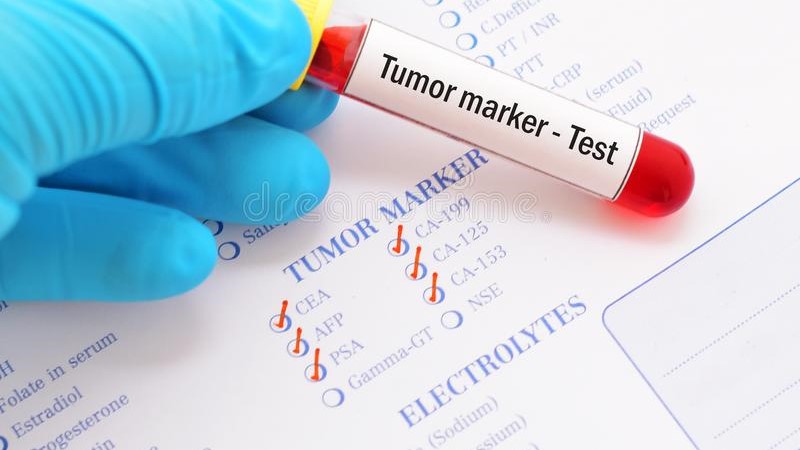
Tumor markers are substances (proteins, enzymes, hormones etc.) that are secreted in the body аs a response of a benign or malignant occurrences. The measurement and identification of the tumor markers is important for diagnosis and for monitoring of the progress, course of the disease and the success of the treatment..

What is the meaning of the values of tumor markers?

During chemotherapy, hormone and radiation therapy, the change of the values of the markers in the blood can be used to evaluate the effectiveness of the therapy. If the values are declining, it’s an indication that there is a respond to the treatment. Otherwise, elevated tumor markers in medical examinations suggest recurrent tumor or presence of metastasis (even six months earlier than the X-ray or ultrasound examination). Therefore, the therapeutic strategy should be changed.

Review on some specific tumor-markers:

AFP (α-fetoprotein)

The levels of alpha-fetoprotein in the serum serves as a marker for hepatocellular carcinoma and metastatic liver tumors, as well to assess the risk of birth defects (Neural tube defects, Down syndrome).

BR – MA (CA 15-3) (“Breast-cancer antigen”- 15-3)

This marker is the most important in the control of the disease in patients со with malignant neoplasm of the breast.The amount of the value of the marker largely depends on the disease activity and can be used in differential diagnostic purposes in diseases of the breast of women. Common determination of CA 15-3 and CEA reveals metastasis of breast cancer with 80% of confidence.

GI – MA (CA 19 – 9)

This marker has clinical utility mainly in tumors of the pancreas and biliary tract. Tumors that frequently can provide elevated values of CA 19-9 are: malignancies of the pancreas, cancer of the biliary tract, cancer of stomach and colon.

OM – MA ( CA 125)

CA 125 primarily has a value as tumor marker for detection of malignant neoplasms of the ovary. Other diseases that can provide elevated values of CA 125 are: liver cirrhosis, acute pancreatitis (inflammation of the pancreas), acute olecistitis (inflammation of the gallbladder) and other benign gynecological diseases or inflammations.

CA 72-4

Tumor marker for gastric cancer,with specificity higher than 95%. The values of this marker in serum coincide with the stage of the disease. The more advanced stage of the disease is, the higher serum values of CA 72-4 are.

S 100 протеин

S – 100 has a prognostic significance and diagnostic value in patients with malignant melanoma.

СЕА (carcino-embryonic antigen)

Non-specific tumor marker which is determined along with specific tumor markers for monitoring and prognosis, in patients with different types of cancers, particularly colorectal cancers. Determining the values of CEA plays has crucial role in neoplastic/colon cancer, where the levels of the values is directly dependent on the stage of the tumor

PAP (prostatic acid phosphatase) и PSA (prostate specific antigen)

PAP, along with PSA are markers for monitoring patients suffering from prostate cancer. For early detection of the prostate cancer despite clinical examination it’s important to identify markers that would prove the existence of the disease. Total PSA, acid phosphatase and PAP (prostatic acid phosphatase) are the most important markers for early detection of prostate cancer.

HE-4 (human epididymis protein 4) and HE-4 + CA-125 (ROMA INDEX)

HE-4 (human epididymis protein 4) is a serum biomarker whose concentration increases significantly in patients with epithelial ovarian cancer and has better sensitivity and specificity than the CA-125 marker. It is used as an aid in diagnosis, as well as monitoring the response to therapy in patients with ovarian cancer.

Combined with the CA-125 marker, the sensitivity and specificity of the CA-125 marker increased significantly

The combination of HE-4 + CA-125 (ROMA INDEX) is a new tool for differential diagnosis in determining whether the tumor mass in the small pelvis is benign or malignant, both in premenopausal and postmenopausal women, and provides stratification of the risk and direction for further treatment .

ROMA ALGORITHM for calculating the risk of epithelial ovarian cancer is used for stratification of patients into groups of low or high risk.

Women in the progenoma

ROMA> 12.5% = high risk of ovarian epithelial carcinoma

ROMA ≤ 12.5% = low risk of ovarian epithelial carcinoma

Postmenopausal women

ROMA> 14.3% = high risk of ovarian epithelial carcinoma

ROMA ≤ 14.3% = low risk of ovarian epithelial carcinoma

HPV (Human Papilloma Virus) – FREQUENTLY ASKED QUESTIONS

What is HPV?

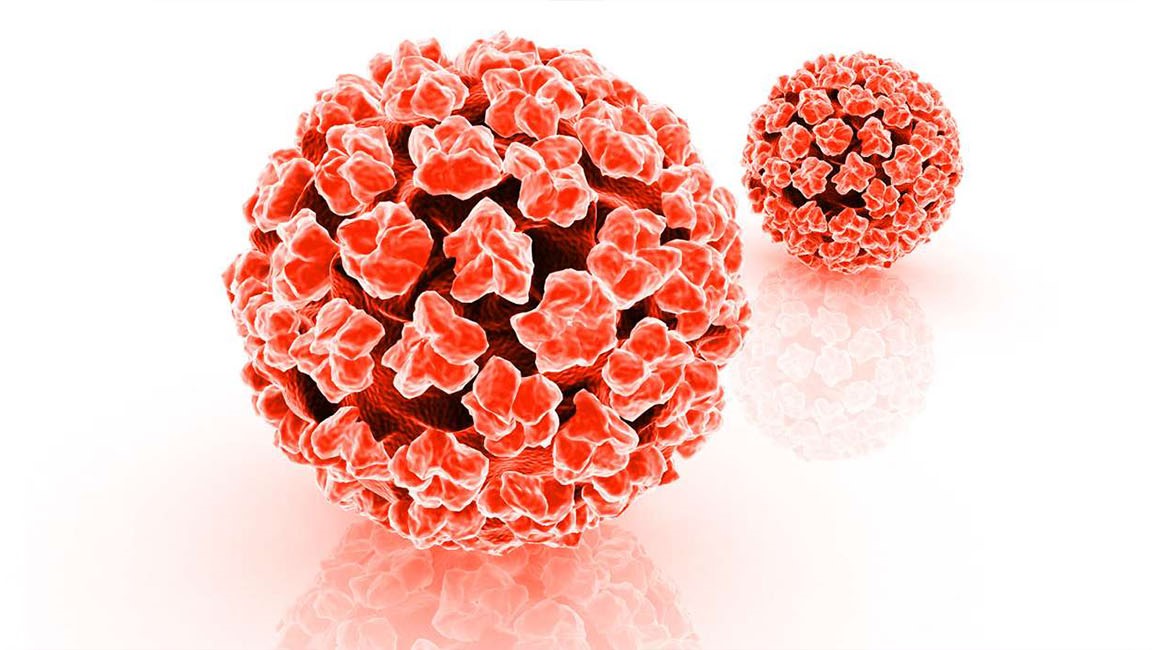
HPV is the name of a group of viruses. There are more than 150 types of HPV (Human papillomavirus) that are sexually – transmitted, affecting reproductive organs in men and women. Some types of HPV (e.g type 6, type 11) cause changes which are called genital warts, while other types, which are clasified as high-risk types (e.g type 16, type 18, etc.) can cause CIN changes (abnormal growth cells) that lead to cervical cancer.

How can I get HPV?

HPV is transmitted through genital contact, most commonly through vaginal or anal sexual intercourse. Most people don’t know that they have the virus or that they transfer it to the partner. Therefore, it is usually impossible to know who transferred the virus and when the infection has occurred.

Is there another way of getting HPV?

There are many misconceptions about how you can get HPV. However, it is important to know that condoms do not provide 100% protection against HPV. Because the virus is found in the skin around the genitals, the virus can easily pass from the genital area of the men in the women’s vagina, vulva or anus.

How HPV causes cancer of the cervix?

HPV virus causes abnormal growth of cells of the cervix. In many cases, HPV disappears itself. However, when the infection with HPV takes some time, the abnormal cells can develop cancer (cancer of the cervix or of the other body parts).

Can cervical cancer be prevented?

Yes. There are tests which can detect early signs, even before symptoms develop. In this way, the problem is found and resolved before the cancer develops. Those tests are PAP-test and HPV-test.

What is the difference between PAP-test and HPV-test?

Both tests allow screening for the cervical cancer. The difference is that they detect different things. The PAP-test (PAP smear) is used to look for changes in the cells form the cervix or vagina that may lead to cancer. The HPV-test detects the HPV virus that causes these changes.

Can I get cervical cancer if I have HPV?

Those women who have HPV will not develop cervical cancer, if they follow the advice and instructions from their gynecologists for appropriate testing and treatment. If you have HPV, your gynecologist will recommend you more frequent check-ups and tests in order to find any changes that could be treated properly early. Therefore, follow the advice of your gynecologists.

If I have HPV, can I stay pregnant and give birth to a healthy baby?

The presence of HPV virus doesn’t reduce the chance of getting pregnant. The type of HPV you have, should not affect the health of the unborn baby. However, if you need treatment for abnormal cells on the cervix (caused by HPV), the treatment itself can affect the chances of getting pregnant. Consult your gynecologists about this.

Where can I make a HPV – test?

The proper diagnosis of HPV is extremely important and is crucial for the further treatment of the patient.

In Avicena Laboratory, you can make Anyplex HPV 28 test – unique multiplex RT-PCR test, which allows simultaneous detection, differentiation and quantification of 28 different HPV genotypes (19 high risk and 9 low risk), responsible for cervical cancer and / or sexual transmitted infections.

19 high-risk HPV genotypes: 16,18,26,31,33,35,39,45,51,52,53,56,58,59,66,68,69,73,82

9 low-risk HPV genotypes: 6,11,40,42,43,44,54,61,70

Thanks to the unique DPO® and TOCE® technologies, this test is performed on RT-PCR instruments for high precision detection, differentiation and quantification of high and low risk HPV infections.

The test provides all the necessary information (genotype, co-infection, quantitative result) in relation to the infection, to facilitate the clinical follow-up of the patient.