In the month of November dedicated to men’s health, “Movember” – a movement that aims to raise awareness among the male population about their health and prevention of certain diseases, such as prostate cancer, testicular cancer and ect…

Avicenna Laboratory is an institution that strives to promote health and always supports events of this type. For that purpose, Dr. Branko Jaglikovski, specialist in medical biochemistry from Avicenna Laboratory will answer the most common questions related to the importance and significance of laboratory tests in the interest of male health.

What is screening and why are regular blood tests important?


Screening involves the application of laboratory tests for early detection of diseases, at a time when the symptoms of the disease are not present. The importance of regular blood tests should be taken seriously and placed at the top of the list of priorities. Only in this way, together with the medical examination, a clear picture of health can be obtained. Early detection of potential health problems enables easier, faster and more efficient solution of the problem, and in some cases life-saving.

What mandatory examinations / tests should every man do?


The need for laboratory tests and their dynamics / frequency depends on several factors such as current health status, age, medical history of the patient, etc. Accordingly, the type of analysis that needs to be done also changes.

Routine blood and urine tests are a basic diagnostic tool for a quick and clear picture of current health and are recommended to be done at least twice a year. Pathological deviations of the reference values ​​indicate more frequent controls and impose the need for additional analysis.

Diseases of the cardiovascular system still remain the leading cause of death, both worldwide and in our country. Studies show that men, unlike women, start this type of disease earlier, and when it comes to preventive examinations, the numbers say that women are 33% more likely to see their doctor than men.
All markers are available at Avicena Laboratory for early screening, risk assessment for cardiovascular disease or monitoring of already started therapy. In addition to routine blood lipid status, by checking for “good” and “bad” cholesterol, there are markers that indicate the status of fat that is not dependent on diet and is related to the genetic predisposition of the organism, as well as markers that can predict future development of cardiovascular disease, combined with clinical examination by a physician.

Malignant diseases are the second leading cause of death worldwide, and prostate cancer is one of the most common malignancies in men. Starting today, a discount on PSA analysis is available at Avicenna Lab throughout the month of November.
Recommendations are that every man over the age of 50 should have a screening test and determination of PSA in the blood. This limit is reduced to 45 or 40 years if patients are at high risk, such as having a close family member with the disease.

In Avicena Laboratory are available modern laboratory tests, which, together with the clinical examination, enable early screening of prostate cancer, as well as other tumor markers, which are used by doctors to assess the condition of certain groups of patients.

Sexually transmitted diseases are a large group of diseases that affect both men and women and it is very important that they are recognized and detected in time, so that they do not have more serious consequences for both the reproductive and general health of each individual.

The Avicena Laboratory performs highly sensitive tests for sexually transmitted diseases, from different types of samples, to detect different causes of diseases, in patients with and without symptoms of a disease: chlamydia, gonorrhea, genital herpes, syphilis, genital warts, HPV HIV and AIDS

Accurate and accurate laboratory results play a vital role in screening for various diseases, accurate diagnosis, risk assessment, therapy monitoring, prognosis and many other aspects when important medical decisions and solutions are needed.

For any questions and additional information, contact us on 02 3179 001 or visit our laboratories.
Sexually transmited diseases

There are over 30 different bacteria (Chlamidia trachomatis, Ureaplasma urealiticum, Micoplasma hominis), viruses (HPV, HSV, HIV, hepatitis B и C) and parasites ( Sarcoptes scabiei, Phthirius pubis ) transmitted through intercourse. Sexually transmitted diseases are significant, because they are very common, widespread and its possible consequences might cause infertility, ectopic pregnancy, negative impact on pregnancy, illness or death of the fetus, etc.

Human papillomavirus (HPV)

Today, there are more than 150 known types of HPV, and about 40 of them cause changes in the genitals. Usually the HPV infection occurs spontaneously as a result of the immune response of the infected person (in about 90% of cases, after two years of infection). Genital HPV&nbsp infections can be manifested in different ways . The most common visible changes manifest as pointed or flat warts. There are invisible changes that can be detected only by special techniques of magnifying and coloring. It is the so called intraepithelial neoplasia (premalignant condition) of the neck, uterus, vagina, vulva, penis, scrotum and anus. These changes usually manifest no symptoms. Persistent incurable chronic HPV infection in women can lead to the development of cancer of the cervix/neck of the uterus, vagina and vulva, and penis in men.

Proper diagnosis of HPV is very important and is crucial for the patient’s further treatment. The latest test with Multiplex real-time TOCE PCR technology for high-sensitivity and specific molecular detection and genotyping of the HPV virus (Human Papillomavirus) are availabe in Avicena Laboratory. The only qualitative and semiquantitative clinical proven test recommended by the WHO. This test makes detection and individual genotyping of the following types of HPV:

> 19 High- Risk HPV Tipes

(16, 18, 26, 31, 33, 35, 39, 45, 51, 52, 53, 56, 58, 59, 66, 68, 69, 73, 82)

> 9 Low – Risk HPV Tipes

(6,11, 40, 42, 43, 44, 54, 61, 70)

The above-mentioned HPV genotypes are responsible for over 97% of cases of cervical dysplasia and cervical cancer. The tests have internal control based on the detection of the human β-globin gene, which completely eliminates the possibility of false-negative results.

The tests are validated and CE certified, are operated with fully automated Real Time PCR instruments and are approved for diagnostic use.

Chlamidia trachomatis

Chlamydia trachomatis is the most common sexually transmitted bacteria. It is transmitted through sexual intercourse, during delivery from mother to baby, and through eye secretion. The likelihood of contracting the infection after sexual intercourse with an infected person is 20-50%. Symptoms that may occur are mucous purulent vaginal discharge, difficulty urinating, unpleasant and painful intercourse, vaginal bleeding, pain in the lower parts of the abdomen, and conjunctivitis. Starting from the cervix, the bacteria can spread all the way up to the fallopian tubes and might cause blocking of these canals, which can later lead to a risky pregnancy or infertility..

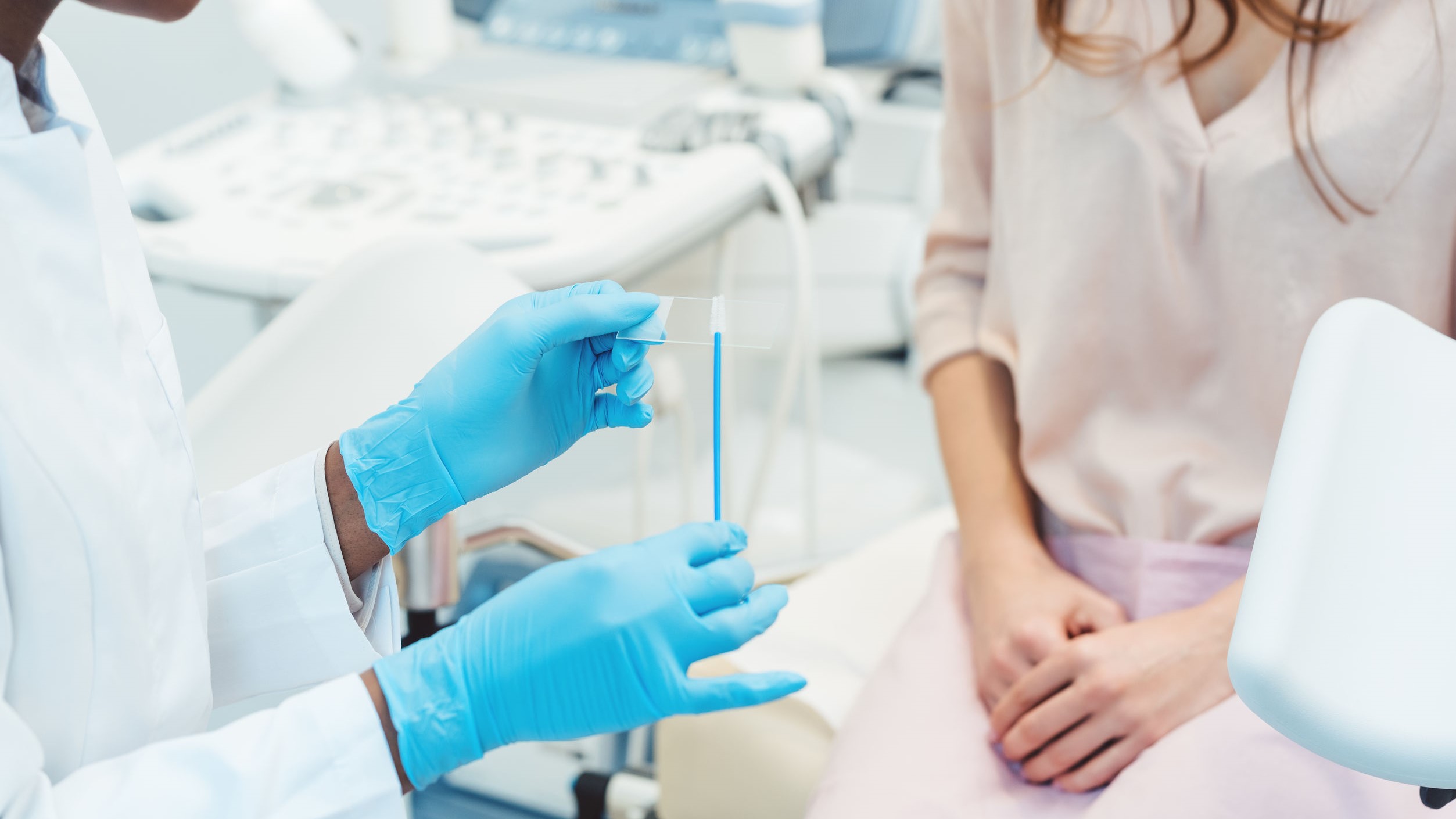
Cervical smears for women and urethral swabs for men are based on diagnostics.

Herpes simplex virus (HSV)

There are two types of HSV viruses: HSV type 1 and HSV type 2. In 90% of the cases, genital herpes is caused by HSV type 2 virus, which is related to HSV type 1 virus (both are members of the herpes virus family). HSV type 1 virus causes a sore on the lips (herpes labialis) or cold sore, but in 10% of the cases HSV 1 is the cause of genital herpes. After the initial outbreak (primary infection of HSV virus), the virus travels in the ganglion, sets at the base of the spine where it can remain inactive for months or even years. The recurrences of the disease are very frequent i.e. recurrences of HSV 2 symptoms and outbreaks (secondary virus infection). The recurrences can be triggered by severe stress, but also by other emotional conditions, physical stress, exhaustion, long term insomnia, menstrual period, prolonged exposure to sun, cold, and deteriorated immunity.

Both of the Herpes viruses can cause skin changes in the area of the vagina, penis, the area around the anus, buttocks, and thighs. Sometimes the skin changes occur in other parts of the body where the virus penetrated the body through damaged skin.

Sexual health is an important part of human life and as such it has a major impact upon our health as a whole. The World Health Organization has defined sexual health as “a state of physical, emotional, intellectual and social aspects in a sexually active person, in a way that it enriches and emphasizes the individuality, spirituality, communication and love.” Taking care for your health includes taking care of your sexual health, too.

Avicena Laboratory offers modern, fast and accurate tests for screening and detection of all sexually transmitted diseases.

WORLD OSTEOPOROSIS DAY – RISK FACTORS AND DIAGNOSTICS

WHAT IS OSTEOPOROSIS?
Worldwide, one in three women and one in five men aged 50 and over will experience an osteoporotic fracture. Osteoporosis causes bones to become weak and fragile, so they break easily – even as a result of a minor fall, impact, or sudden movement. Fractures caused by osteoporosis can be life-threatening and a major cause of pain and long-term disability.

Source: https://www.worldosteoporosisday.org/about-osteoporosis

Can osteoporosis and fractures be prevented? Yes, if diagnosed in time!
Osteoporotic fractures have a devastating effect on millions of people around the world. However, despite effective medical advances in reducing fractures, a small group of men and women are receiving appropriate treatment.

Only 20% of patients with osteoporotic fractures are actually diagnosed or treated for osteoporosis.

Diagnostic tests:
In addition to a doctor’s examination and “imaging” methods to obtain a picture of bone tissue, laboratory tests are also of great importance.

Several laboratory tests are available at Avicenna Laboratory that provide a complete insight into the metabolism of Vitamin D, which plays a key role in the condition of bone tissue.
-Determination of Vitamin D Concentration
-Intact PTH (Parathormon)
-Electrolytes (of which the most important for bone tissue is Calcium)
Enzymes (Alkaline phosphatase as a marker for bone metabolism)
-Calcitonin (hormone involved in calcium metabolism)
-Hormonal status for assessment of menopause / andropause, as a risk factor for osteoporosis

NEW! Package Vitamin D + PTH + Ionized calcium
In addition to the World Osteoporosis Day, a new package for Vitamin D metabolism is available at Avicena Laboratory.
Read more at the following link.

PNEUMOSLIDE – A typical solution for atypical pathogens

PNEUMOSLIDE is an immunofluorescence test for simultaneous detection of 9 species of bacteria and viruses, the most common triggers of respiratory infections that are not detected by classical methods

Atypical pathogens

A large number of respiratory infections are ATYPICAL PNEUMONIAS, which are caused by ATYPICAL PATHOGENS that look line an usual cold, but do not respond to the usual therapy. Instead, they might prolong and exacerbate the condition, may cause complications and prolong the recovery.

Microorganism detected by Pneumoslide:

Mycoplasma pneumoniae

Legionella pneumophila

Chlamidya pneumoniae

Coxiella burnetii

Adenovirus

Respiratory Syncytial Virus

Influenza A,B

Parainfluenza (serotypеs 1,2,3)

These are the causes of infections that are very common, but very difficult to identify and for that reason – difficult to treat!

IDENTIFICATION OF THE RIGHT CAUSE OF THE DISEASE IS CRUCIAL FOR PROPER TREATMENT

When should Pneumoslide be offered?

– Any respiratory infection is an INDICATION!

– Prolonged respiratory infections which do not respond to the usual therapy

– COPD (chronic obstructive pulmonary disease)

– Immunocompromised patients (Patients with impaired immune system)

– Cardiac, dermatological, neurological, rheumatological, gastrointestinal and hematological manifestations

Pneumoslide is important for:

– Quick etiologic diagnosis

– Detection of the most common causes of respiratory infections

– Adequate etiologic therapy

– No risk of developing drug resistance

– Shortens the duration of the illness

– Prevents development of complications

– Economic testing – DETECTION OF 9 PATHOGENIC AT ONCE!!

CommonPass enables you to document your COVID-19 status to satisfy country entry requirements while protecting your health privacy. With CommonPass, it’s easy to access your lab results and vaccination records and show your COVID-19 health status when you need it. Plus, CommonPass never reveals any other underlying personal health information in your credential.

The CommonPass Certificate is digital proof that a person:

  • is vaccinated against COVID-19, or
  • has a negative test result

CommonPass confirmation is:

  • in digital and / or printed form
  • with QR code
  • free
  • in English
  • safe and secure

CommonPass is designed to protect data privacy and satisfy data privacy regulations, validating your COVID-19 status without revealing any other underlying personal health information. We adhere to the following privacy principles:

Data is stored or shared only with your explicit, informed consent.

Only the minimum amount of personal data is used for any transaction. 

Personally identifiable health information is stored only at the source or on the user’s device.

Data is only stored to the extent necessary and never used for any other purpose.

The CommonTrust Network was built by The Commons Project Foundation and The World Economic Forum. The global network of testing providers, vaccination providers, and public health registries was created as part of a larger effort to safely reconnect the world, establishing standard formats and certification systems so that governments and destinations can trust the data from health pass apps or QR codes while protecting data privacy. 

Тhis content is taken from https://commonpass.mk/mk

How to get your CommonPass digital certificate?

Get tested for COVID-19 at Avicena Laboratory

2. Download the CommonPass app

3. Import your test results

In the CommonPass app, indicate whether you need your pass for travel or general use. If you’re using CommonPass for travel, your destination may require a specific invitation code. Anyone can use CommonPass to store their test results. Then, retrieve your health status using one of two methods:

4. Your CommonPass is ready to use!

Chlamydia trachomatis

Chlamydia infection is caused by the pathogenic bacterium Chlamydia trachomatis, that causes infections of the urogenital tract, eyes and joints in adults, as well as infections in newborns.


Chlamydiae are gram-negative, immobile bacteria that are unable to synthesize ATP and, thus, exist as obligate intracellular parasites in eukaryotic cells. There are four known species of Chlamydia: C. trachomatis, C. psittaci, C. pecorum and C. pneumoniae (TWAR). C. psittaci and C. pecorum are primarily animal pathogens .

Today, C. trachomatis is regarded as the second most common causative agent of sexually transmitted diseases with about 89.1 million infections worldwide each year. About 3 million cases are registered each year in the United States. It is known that C. trachomatis can cause cervicitis, adnexitis, neonatal conjunctivitis, neonatal pneumonia, urethritis, epididymitis and proctitis. Moreover, C. trachomatis is the most frequent cause of nongonorrhoeal urethritis in men (ca. 25 – 55 % of the cases).


Untreated chlamydial infections in women can lead to serious consequences. As many of these infections are asymptomatic, many cases remain unrecognized and untreated. Chronic infection can lead to serious complications and inflammation in women, as well as inability to conceive and sterility. Newborn children of women infected with chlamydia have a high risk for conjunctivitis and pneumonia.


The symptoms of chlamydia infection can be mild or severe, but in some people they are completely absent. The presence of an asymptomatic infection leads to the transmission of the infection from one person to another before being diagnosed.
In men, the bacterium lives mainly in cells of the urethra (urinary tract), prostate, and seminal vesicles, causing urethritis, epididymitis, and prostatitis. Chlamydia infections in men are often asymptomatic, but there are studies that suggest they cause secondary infertility.

How to make an accurate diagnosis to prevent the spread of infection in a timely manner?

  1. Detection test for C. trachomatis by direct immunofluorescence- Highly specific and sensitive test in routine detection of chlamydia, done from genitourinary samples and conjunctival swab.
  2. Immunoassays for chlamydia antibodies detection for immune response to acute or past infection
  3. PCR test for detecting Chlamydia trachomatis – Molecular tests are highly specific and highly sensitive tests to detect the genetic material (DNA) of the microorganism itself, and the result is obtained in just 2 hours.

Avicena Laboratory offers a new molecular CE-IVD certified test, superior in its sensitivity and specificity. Please talk to your physician about your health concerns.

Food Intolerance

IS THE CAUSE OF YOUR PROBLEM A FOOD INTOLERANCE?

Sometimes, certain people have an unusual reaction to a certain food or food ingredient!

What is a food intolerance?

Food intolerance is a delayed reaction of the body to a certain type of food or food ingredients, during which specific IgG antibodies are created. It is a low-grade, long-term chronic inflammatory reaction that lasts as long as the food that triggers the reaction is consumed.

This test detects exactly these IgG4 antibodies, giving a clear picture of the intensity of the body’s reaction to the specific type of food.

Symptoms

Unlike allergies, which usually have an acute and intense onset of symptoms (2 hours or less) and can also be caused by the presence of traces of allergens, intolerance is slower, with a delayed and sometimes unrecognizable onset of symptoms (up to 72 hours), the intensity of which also depends on the amount of food consumed.

Although the symptoms in many cases can be very similar, with the help of this proven and certified test, a clear differentiation is made and it is possible to quickly and accurately determine the cause of the appearance of the symptoms.

Inflammatory processes can manifest in different organs and systems and cause a wide range of symptoms.

Tests for food intolerance with the latest technology, available at Avicenna Laboratory:

Precise and certified tests from a top German manufacturer for the quantitative detection of specific IgG4 antibodies.

A choice of 3 panels, each with 40 types of food or food ingredients, for targeted, fast and efficient determination.

Powerful software with the latest technology for highly sensitive detection and precise and accurate interpretation of results.

Quantitative results

Complete disappearance of symptoms and improvement of health after a diet based on a result obtained from a food intolerance test.

Panel 1:

Contains the following foods: Salmon, Cod, Herring, Shrimp, Mussels, Pork, Beef, Chicken, Wheat, Rye, Oats, Corn, Rice, Buckwheat, Amaranth, Carrot, Celery, Cabbage, Garlic, Onion, Pea, Green Bean, Soya, Peanut, Tomato, Cucumber, Potato, Mustard, Egg White, Egg Yolk, Milk, Goat’s Milk, Sheep’s Milk, Orange, Banana, Apple, Kiwi, Hazelnut, Walnut, Almond.

Panel 3:

Contains the following foods: Tuna, Trout, North Atlantic cod, Herring, Oyster, Shrimp, Duck meat, Chicken meat, Turkey meat, Rye, Buckwheat, Barley, Durum wheat, Millet, Quinoa, Gluten, Tomato, Onion, Zucchini , Green olive, Lentils, Peas, Green beans, Milk, Sheep’s milk, Goat’s milk, Banana, Kiwi, Lemon, Strawberry, Pineapple, Sunflower seeds, Pumpkin seeds, Mustard, Basil, Ginger, Coffee, Cocoa, Champignons, Rice.

Panel 5:

Contains the following foods: Pike, Sardine, Cod (fish), Halibut (fish), Venison, Veal, Anise, Buckwheat, Spinach, Kale, Eggplant, Beetroot, Asparagus, Red Bean, Japanese daikon, Broccoli, Papaya, Yogurt, Mozzarella, Sour Cream, Broth, Nectarine, Red Currant, Cranberry, Grapefruit, Raisin, Black Currant, Watermelon, Pecan, Brazil Nut, Coconut, Pine Nuts-Pine Nuts, Macadamia Nut, Walnut, Thyme oregano Sage, Coriander seed, Flax seed, Chestnut, Kelp (seaweed).

What after receiving the result?

Elimination phase

The food for which a positive result was obtained should be completely avoided, for 2 to 6 weeks depending on the reaction. In this way, the resulting inflammatory processes can be reduced or completely withdrawn.

The remaining foods to which there are no elevated levels of IgG antibodies can be consumed in a 4-day rotation cycle. (For example, if certain types of food are eaten one day, they should be avoided for the next 3 days.) This helps prevent the development of new delayed body reactions.

Food reintroduction phase

In this phase, a provocation diet is started, through which the avoided foods are gradually included.

Foods are introduced one at a time, in order to more easily identify foods that still cause symptoms. If a reaction occurs again, the food on the menu is avoided.

Stabilization phase

During this phase, foods that cause a reaction during the re-introduction process are avoided for at least one year in order to reduce IgG antibodies and improve the body’s condition.

After this, the patient starts the food introduction phase again. Some patients may need to avoid one or more foods for life.

For more detailed information about the panels, contact us on 02 3179 001.

Price for making 1 panel: 4200 MKD

Price for making 2 panels at once (80 types of food): 7900 MKD

Price for making 3 panels at once (120 types of food): 10500 MKD

Without an appointment, available in all laboratories of Avicenna Laboratory

View the E-brochure here.

What are the most common laboratory tests performed in Avicena Laboratory from the beginning of the pandemic until today?

From the beginning of the pandemic until today, as the situation changed in the world and in our country, so did the demands of patients and doctors, in terms of laboratory tests.

Molecular PCR tests have been performed in the Avicena Laboratory since the very beginning of the pandemic, and are still demanded and performed daily. In addition to these tests, doctors and patients need and do tests for concentration of antibodies in the blood of patients who know (or do not know) that they have been in contact with the virus. A wide range of biochemical and immunological tests are performed daily to monitor the condition of patients with COVID-19.

Although the COVID-19 pandemic still lasts, of course there are all the other patients who visit our laboratory for any other condition not related to SARS-CoV-2. Let’s not forget the patients who have various chronic non-communicable diseases and who need to monitor their condition.

Then there are all the routine and specific tests for children and adults, pregnant women, all kinds of microbiological tests, other molecular diagnostics and more.

Can COVID-19 positive patients come to the lab for other laboratory tests?

In the past few months we have provided a new and completely separate space for receiving patients for COVID-19, completely physically separated from the rest of the laboratory space, with an area of 260m², and we have made more investments in powerful ventilation systems, disinfection, protective equipment, latest material processing technology. COVID-19 positive patients who request other laboratory tests are admitted in this section. There is also the possibility for our mobile teams to take material for analysis at home, whether it is for patients who are positive for the virus or regular laboratory tests.

All patients in need of laboratory tests not related to COVID-19 are admitted regularly through the main entrance of the laboratory. Recently, the capacity to receive a larger number of patients has been expanded in this area as well, so that we currently have 9 rooms available for taking material for analysis, only in the laboratory in Taftalidze. This reduces the waiting time, given the fact that in a pandemic, the number of people waiting for an indoor service must be limited.

What other laboratory tests are needed in patients with COVID-19 and what do they tell us?

Biochemical monitoring of patients with COVID-19 using laboratory tests is crucial for assessing the severity and progression of the disease, as well as for monitoring treatment. Certain laboratory tests are associated with adverse progression of COVID-19 and provide important prognostic information. Usually, it is necessary to make the basic set of laboratory tests, which give us an insight into the general condition of the organism, indicate whether it is a bacterial or viral infection, but also provide information on the severity of the disease and possible prognosis in which direction the disease is moving, in order for the doctors to intervene in a timely manner.

Most often, patients have a blood count with sedimentation, markers of inflammation (CRP, D-Dimers, ferritin), analysis of certain enzymes and tests that indicate the function of the liver, kidneys, heart muscle and more. (ASAT, ALAT, LDH, CK-MB, Troponin).

There are also specific analyzes such as Interleukin-6, which provides information on the degree of immune response and is a predictor of the so-called “Cytokine storm”, which is actually an excessive immune response of the body and is the cause of many adverse outcomes. By monitoring this parameter, it is possible to monitor when the patient’s condition is deteriorating and to undertake appropriate treatment in a timely manner.

In patients who have COVID-19 or have recovered, D-dimers test is often mentioned. What is important to know about D-dimers?

Blood clotting (coagulation) is a natural and protective mechanism of the body from bleeding. When there is damage to the wall of blood vessels, there occurs adhesion of the platelets (thrombocytes), fibrin (fibrin filament network) and activation of many mechanisms, the ultimate goal of which is to create a “plug” that will stop bleeding.

D-dimers represent fragments, parts of fibrin degradation, and detection of elevated levels are a sign that the coagulation system is being activated (possibly excessively).

Normal levels of D-dimers in healthy adults are 0.5 mg / L FEU.

Elevated levels of D-dimers in patients with COVID-19 are often a sign that there is a risk of blood clots forming, which can explode with the circulation and cause a blood vessel to clog. Therefore, after an examination by a specialist doctor, appropriate therapy should be given and this condition should be treated.

It is very important to note that different laboratories may use different methods, instruments, technologies, so there may be different reference values and tests for the determination of D-dimers and therefore results from different laboratories should not be compared and care should be taken in which units the value is expressed.

Why COVID-19 antibody tests are important?

The combination of both types of tests (with swabs – PCR and antibodies) gives a complete and realistic picture of what is happening in the human body, so that the immunity tests and molecular tests are complementary and complement each other. If molecular tests detect the presence of the virus itself or even just the RNA sequence of the virus, by measuring the concentration of antibodies, you can see if the organism has been in contact with the virus and what the body’s immune response is in the fight against this virus.

The immunology tests performed in Avicena Laboratory are “CE” certified and are performed on a fully automatic immunoassay analyzer manufactured by Siemens Healthineers.

The tests have extremely high clinical sensitivity and specificity.

It is extremely important to note that only Avicena Laboratory performs tests to measure the concentration of so-called neutralizing IgG antibodies to COVID-19 by the manufacturer Siemens – as the latest generation of tests of this type.

COVID-19 usually stimulates the immune response by producing many antibodies that act as an army to help fight the virus — however, only a small subset of those antibodies are capable of being neutralized, that is, a small number of these antibodies can block the virus thus preventing it from infecting extra cells.

The IgG antibody test of Siemens Healthineers has been proven to measure these neutralizing antibodies and provide information on their exact concentration.

 Finally, I would like to mention that it is very important for patients to be in constant communication with their doctor and to follow all the recommendations and guidelines of doctors, to take care of their health, to make the necessary controls and checks and to keep their health and the health of their loved ones.

Tips to help children through their laboratory tests

Preparing children for laboratory tests can be a real challenge. A caring grownup can help the child cope with any physical pain or discomfort as well as any fear, anxiety, or emotional reactions that may occur as the sample is collected. Below are some general recommendations on helping children through these medical procedures as well as some specific tips on blood, urine and stool specimens, and throat culture sample collections.

BE INFORMED

Be aware of everything that may cause you anxiety or is not clear enough to you. If you are upset yourself, it is very likely that your child will be upset too. 

SET REAL EXPECTATIONS

Tell the child that it will hurt a little bit, but it will be over very quickly and then the pain will go away. Before you enter the room, talk about who the child will see (some people in uniforms) and what they are going to do so the child has realistic expectations. It is okay to tell children that having blood drawn is difficult even for grownups, but avoid coaxing the child with statements such as “be good” that can make the child feel ashamed.

You can make a promise of some fun activities you can do after visiting the lab. Thus, the child will know what to expect, and the thought of the activity, reward or encouragement will make the child want to cooperate with the medical staff.

After taking a sample, feel free to praise the child for his behavior.

PLAN THE TIME OF VISIT

Schedule a visit when your child is not tired and hungry. If you need to do a fasting test, do it as the first thing in the day, and bring a snack that you will offer to your child after taking a sample.

TALK TO YOUR CHILD

Talk to your child before you come to the lab. Imagine a game in which you will compete who will endure sitting still for a long time. Teach your child to take a deep breath until you count to 3 and exhale. Breathing exercises will only help the child to have control over his body.

DISTRACT YOUR CHILD’S ATTENTION

During the blood draw, it is best that the child’s thoughts and eyes are not focused on the lancet or needle itself. Keep in mind an alternative focus, such as looking at an interesting book you brought or singing a favorite song. Take a toy from the area or offer to look at the cartoon.

For both adults and children, a diet 24 hours before a lab visit is essential. Most laboratory blood tests require preparation that involves taking a sample (on an empty stomach) in the morning, 12 hours after the last meal. This is necessary because the consumption of food in the period before taking blood leads to an increase in certain biochemical parameters.

One day before laboratory tests:

► You should consume clean and light food (best cooked, not fried);

► Food should not be overloaded with fats and sugars;

► The last meal should not be large and should be no later than 19:00;

Children are often very energetic and full of life, and some of them are involved in certain sports. However, it is recommended to avoid intense sports one day before the visit to the laboratory, as the activity may affect the results of individual enzymes.